Migration Trends in Australia 2025
2 min read
Australia in 2025 remains one of the world’s most attractive destinations for people on the move. Beyond its beaches, wildlife, and laid-back lifestyle, the country continues to draw students, skilled workers, families, and long-term visitors from across the globe. These migration trends are quietly reshaping Australian cities, regional towns, and the overall travel experience.
A Steady Flow of New Arrivals
While the post-pandemic migration surge has cooled, Australia is still experiencing strong inward movement in 2025. Migration remains a key driver of population growth, helping to fill labour gaps, support universities, and sustain economic activity. For travellers, this means cities that feel increasingly international, diverse, and globally connected.
International Students Still Shape City Life
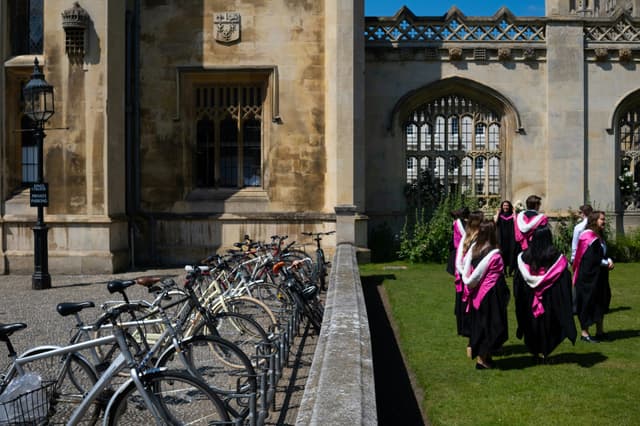
Students continue to be one of the largest migrant groups in Australia. Cities like Melbourne, Sydney, Brisbane, and Perth thrive on student culture lively cafés, affordable eateries, shared housing, and vibrant nightlife. If you’re visiting Australia in 2025, you’ll notice how university districts influence local energy, creativity, and multicultural exchange.
Skilled Workers and Lifestyle Migration
Australia’s need for skilled professionals remains high, particularly in healthcare, construction, engineering, and technology. Many newcomers are not only settling in major cities but also choosing smaller urban centres and regional areas for a better work-life balance. This shift has made places outside the traditional tourist trail more dynamic and appealing for slow travel and extended stays.
Regional Australia Gains Attention
Migration in 2025 isn’t just about big cities. Coastal towns, inland hubs, and growing regional centres are attracting newcomers seeking affordability and space. For travellers, this translates to improved infrastructure, better services, and more culturally diverse communities in areas once considered quiet or remote.
Housing and Urban Pressure
One visible impact of migration is pressure on housing, especially in Sydney and Melbourne. Accommodation costs remain high, influencing where people settle and how travellers plan longer stays. As a result, many visitors are exploring alternative destinations and regional locations that offer better value without sacrificing quality of life.
Cultural Diversity as a Travel Experience
Migration continues to enrich Australia’s cultural landscape. From global food scenes and cultural festivals to multilingual neighbourhoods, the country’s diversity is now a core part of its travel appeal. Exploring Australia in 2025 means experiencing not just Australian culture, but a blend of influences from Asia, Europe, Africa, and beyond.
What This Means for Travellers
For visitors, Australia in 2025 feels:
• More multicultural than ever
• More vibrant in student and regional cities
• Better suited to long stays and slow travel
• Rich in global food, art, and community experiences
Migration trends are shaping how Australia lives, works, and welcomes the world making it not just a destination to visit, but one to experience deeply.
Conclusion
Migration trends in Australia in 2025 highlight a country that continues to evolve through movement, diversity, and opportunity. From bustling global cities to growing regional centres, migration is shaping how Australia looks, feels, and functions. For travellers, this means richer cultural experiences, more dynamic destinations, and new places to explore beyond the usual hotspots. Whether visiting briefly or staying longer, Australia in 2025 offers a travel experience influenced as much by its people as by its landscapes.