Visa Policy Changes in 2026: What Travelers and Migrants Need to Know
3 min read
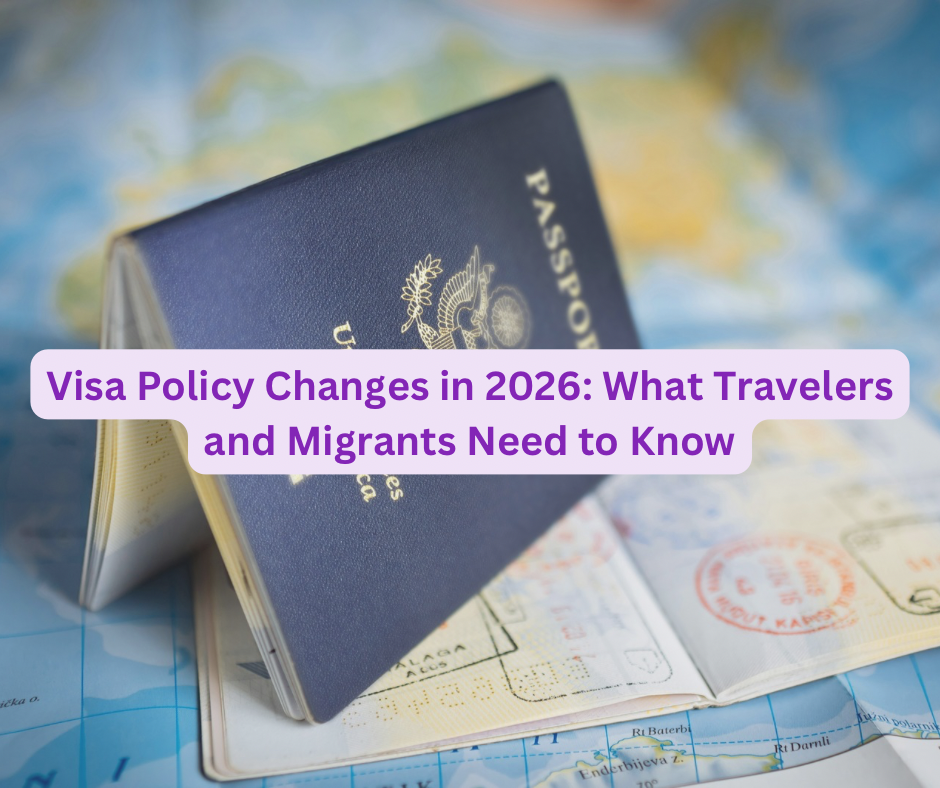
As the world enters 2026, many countries are introducing new visa and immigration policy changes that will affect both travelers and migrants. Whether you’re planning a vacation, studying abroad, relocating for work, or joining family overseas, it’s essential to stay informed about these updates so you can travel smoothly and avoid any surprises.
Below is a breakdown of the most important visa policy changes happening this year and how they might affect you.
1. Europe’s Travel Authorization System: ETIAS Launch
One of the biggest changes affecting millions of travelers in 2026 is the rollout of the European Travel Information and Authorization System (ETIAS).
• ETIAS will require travelers from many visa-exempt countries (like the U.S., UK, Canada, Australia) to apply online before visiting the Schengen Area.
• The system works like pre-travel authorization and is expected to be mandatory by late 2026.
• There is a fee (around €20) and the authorization can be valid for up to three years, saving applicants future trips without having to reapply each time.
Even if your country doesn’t normally need a visa to enter Europe, you’ll likely need to apply for ETIAS before boarding your flight or entering by land/sea.
2. U.S. Visa Program Overhauls
The United States is introducing several significant visa policy changes in 2026:
A. Expanded Travel Restrictions
• New entry restrictions now affect citizens from up to 39 countries, limiting visa availability for travelers and migrants of certain nationalities.
B. H-1B Visa System Reform
• The long-standing H-1B visa lottery is being replaced with a wage-based selection system that prioritizes higher-paid, highly skilled workers.
C. Interview and Security Updates
• The U.S. has largely ended broader interview waivers, meaning most visa applicants now must attend an in-person interview.
If you’re applying for U.S. work, tourist, student, or business visas, expect stricter vetting, potential fee increases, and changes to how eligibility is assessed.
3. United Kingdom Tightens Immigration Standards
The UK has implemented changes aimed at managing migration more tightly:
• In January 2026, the UK raised its English language requirements from B1 to B2 level for several major work visas, impacting Skilled Worker, High Potential Individual (HPI), and Scale-up visas.
Prospective migrants seeking employment in the UK will need stronger English proficiency, making preparation essential if language tests are part of your eligibility.
4. China’s Visa-Free Expansion
China has expanded its visa-free access policy for many countries, allowing short stays (often up to 30 days) for tourism, business, or transit purposes.
Qualified passport holders can now visit China without a visa for short trips a big opportunity if you’re considering Asia travel or business engagements.
5. Southeast Asia Adjusts Visa Rules
Several Southeast Asian countries rolled out changes as part of tourism growth strategies:
• Thailand is reducing visa-free stays for many travelers, which may affect longer visits.
• Digital nomad visas and other long-stay options (like in the Philippines) are becoming more common.
What this means for you: If you plan to extend stays or work remotely abroad, check for new digital visas or updated duration limits ahead of your trip.
6. Africa’s Digital Visa Shifts
Many African countries including South Africa are launching or expanding electronic travel authorizations (ETA) to simplify visa processes.
Applying for visas online could become easier and faster than traditional embassy visits, especially for tourism or short-term work.
Practical Tips for Travelers & Migrants in 2026
I. Plan Ahead
Visa systems are becoming more digital and often require applications weeks before travel. Don’t wait until the last minute.
II. Use Official Portals
Always apply through official government sites especially for systems like ETIAS or U.S. visas to avoid scams.
III. Check Requirements Frequently
Visa rules can change rapidly. Always verify requirements directly with embassies or official immigration authorities before booking flights.
Conclusion
2026 is shaping up to be a year of significant transformation in international visa and migration policies. From new travel authorizations like ETIAS to tightened work visa rules in major economies, these changes reflect a balance between border security, economic needs, and global mobility. Whether you’re a traveler dreaming of your first long-haul trip, a student planning to study abroad, or a migrant pursuing new opportunities, staying updated on visa policy changes is crucial to your travel plans.