Top Regions Experiencing Population Decline Due to Migration in 2025
3 min read
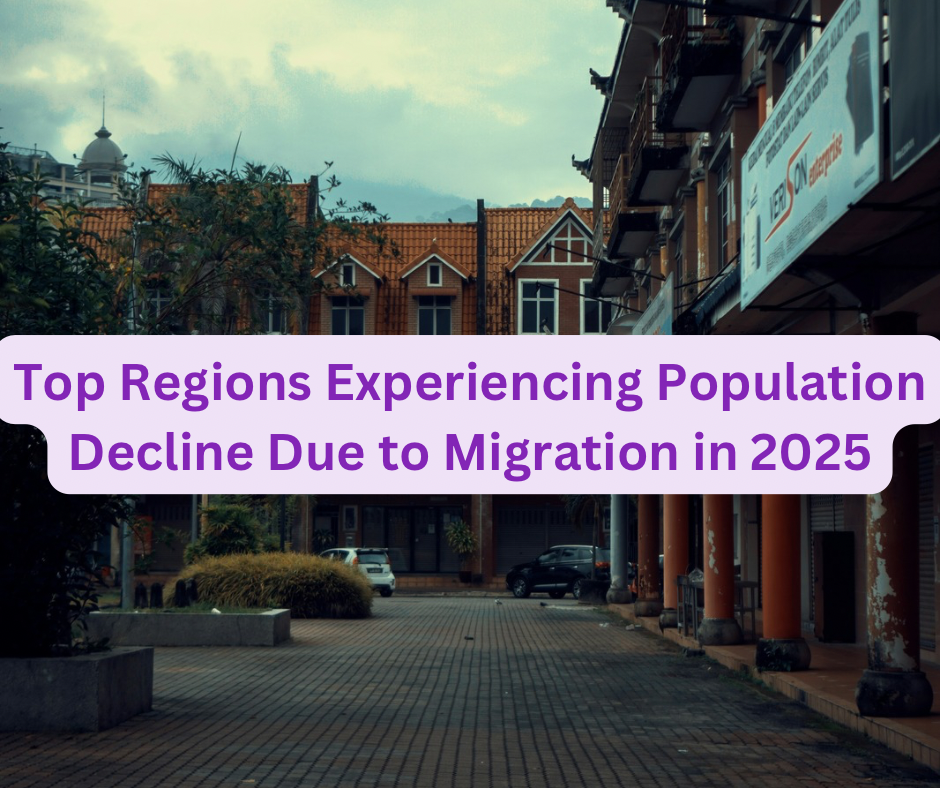
While much of the world buzzes with rapid population growth and urban expansion, several regions are facing the opposite trend: declining populations fuelled by migration, economic change, ageing demographics, and shifting opportunities. These demographic changes are reshaping communities and transforming local life in ways that are both challenging and fascinating for visitors interested in understanding the global story beyond tourist hotspots.
In 2025, population decline is particularly visible in parts of Eastern Europe, rural regions of developed countries, and small island territories, each with its own reasons for demographic change. For travellers seeking authentic experiences, these places offer evocative insights into culture, resilience, and transformation.
1. Eastern Europe’s Baltic Heartlands: Latvia and Lithuania
In 2025, several Eastern European regions stand out for their shrinking populations. Latvia and Lithuania, in particular, are experiencing substantial population decline, largely driven by outmigration and low birth rates. Since joining the European Union, many young Latvians and Lithuanians have sought opportunities abroad, especially in larger EU economies, contributing to significant demographic decreases. Projections indicate populations in these countries may decline by over 20% in the coming decades if current trends continue.
2. Ukraine: Conflict and Migration Reshaping Demographics
Ukraine’s demographic landscape has been profoundly affected by conflict and migration. Population data in recent years show a sharp decline combined with broader social and economic upheavals a trend that continues into 2025. While exact figures fluctuate due to ongoing mobility, emigration remains a key factor driving population loss in many regions.
3. Greece: Youth Migration and Rural Depopulation
Greece is another region feeling the demographic squeeze. In 2025, the country continues to see population decline driven by a combination of low birth rates and the emigration of young adults seeking employment abroad. Some rural areas have become strikingly depopulated, accentuating contrasts between lively historic centres and quieter hinterlands.
4. Small Island Territories: Tuvalu and the Northern Mariana Islands
Across the Pacific, small island territories like Tuvalu and the Northern Mariana Islands are experiencing population decline in 2025, often related to migration toward larger nations in pursuit of education and employment. Limited economic opportunities, climate pressures, and isolated geographies contribute to youth outmigration and shrinking local populations.
Regions Within Larger Countries Also Feeling the Impact
Population decline isn’t limited to entire nations. Within otherwise growing countries, specific regions, especially rural areas and smaller towns, are losing residents to internal and external migration. For example, many regions across Bulgaria, Croatia, and parts of Poland and Portugal have recorded falling populations as younger generations depart for urban centres or overseas job markets.
What Population Decline Means for Travellers
Population decline shapes the travel experience in subtle but meaningful ways:
• Authenticity and Tradition: Smaller, less crowded regions often preserve local customs, dialects, and culinary traditions that have disappeared elsewhere.
• Community Engagement: Travellers may find more opportunities for deeper cultural exchange and understanding in places where communities are tight-knit and eager to share their stories.
• Reflection on Change: Visiting regions experiencing demographic shifts offers a unique perspective on how societies adapt to economic, environmental, and social pressures.
Conclusion
Population decline in 2025 is a global story with regional nuances. From the Baltic states and Eastern Europe to remote Pacific islands and depopulating rural enclaves, these areas reflect broader migration trends shaped by opportunity, economic pressures, and demographic realities. For curious travellers, these regions offer profound experiences beyond postcard landscapes – places where history, resilience, and cultural depth intersect.