The Ultimate Guide to Post-Study Work Permits in 2026
3 min read
For many students dreaming of studying abroad, the real prize isn’t only the degree but also the chance to stay, work, gain experience, and eventually settle in their host country. That’s where post‑study work permits (also called post‑graduation work visas) come in. They let you stay and work legally after graduation and can be a stepping stone to long‑term residency or migration.
This guide breaks down the best options for 2026 countries, durations, eligibility, and pathways.
Post‑Study Work Permit
A post-study work permit (PSW) is a visa that allows international students to stay in the country after completing their studies to work full-time or seek employment. These permits often:
• Allow full‑time work (no hourly limits)
• Let you gain valuable experience
• Can support your case for permanent residency (PR) later
Top Countries with Strong Post‑Study Work Permits in 2026
Here’s a breakdown of the best destinations where PSW visas are available ideal for students and future migrants:
1. Post‑Study Work Permit
• Duration: Up to 3 years.
• Why it’s great: Open work permit, no job offer required. Experience counts toward Express Entry PR pathways.
Eligibility depends on the length of your study program and the institution's status.
This makes Canada one of the most migration‑friendly options for international graduates.
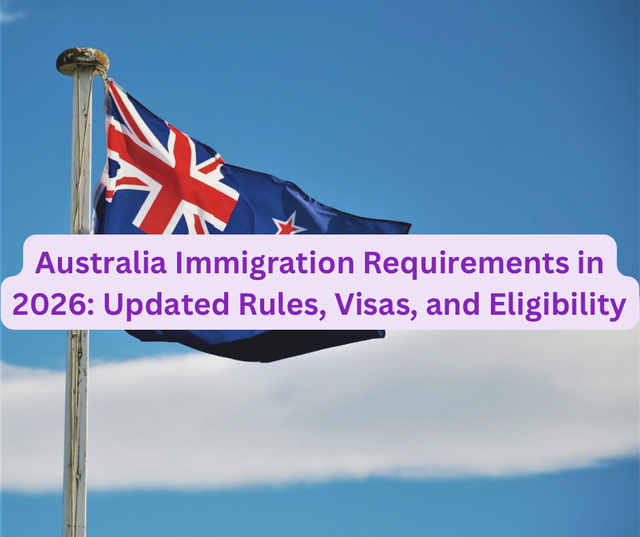
2.!Australia – Temporary Graduate Visa (Subclass 485)
• Duration: 2–4 years (depends on your qualification level).
• Work rights: Full work allowed; you can later apply for skilled visas.
Great for students in STEM, healthcare, and business.
3.New Zealand
• Duration: 1–3 years, depending on qualification and study location.
• Benefits: Open work rights and a pathway to skilled migrant visas.
• New Zealand is actively trying to grow its international student market, making it increasingly attractive for graduates.
4.United Kingdom – Graduate Route
• Duration: Currently up to 2 years (up to 3 for PhD graduates), although changes in the future may shorten this.
• Work rights: Full‑time work allowed without a job offer.
• Note: The UK may reduce the length of this route after 2026.
5.Germany
• Duration: 18 months residence permit to look for a job.
• Why it’s good: You can work in any field while you look for a role.
• Strong potential to transition to a work visa or EU Blue Card for longer stays.
6.Ireland – Third Level Graduate Scheme
• Duration: Up to 2 years (longer for higher degrees).
• Offers full‑time work rights and helps graduates transition into longer‑term work permits.
7.The Netherlands – Orientation Year Visa
• Duration: 1 year to look for a job or start a business, known as the Orientation Year visa.
• Popular for careers in tech and startups.
8.France
• Duration: Up to 1–2 years via the Autorisation Provisoire de Séjour (APS) for graduates.
• A good option if you’re fluent in French or targeting EU opportunities.
9.Singapore
• Short‑term work pass options exist, especially in technology and finance sectors.
• Not as long as other countries, but the high‑growth job market is attractive.
10.South Korea
• The D‑10 Job Seeker Visa allows graduates to stay up to 2 years while searching for employment.
• Recent moves aim to attract STEM graduates to fill skilled labour gaps.
Conclusion
Post‑study work permits are one of the most valuable assets international students can have not just for temporary work, but as a strategic step toward long‑term migration and career growth. With smart planning, the right destination, and understanding visa policies in 2026, your study abroad dream can turn into a real future abroad.
TheUltimateGuidetoPostStudyWorkPermitsin2026