Australia Permanent Residency Visa Guide (2026) – How to Get an Australia PR Visa
4 min read
Australia remains one of the most attractive destinations for professionals, entrepreneurs, and international families seeking long-term relocation opportunities. With a strong economy, world-class healthcare, and a stable immigration system, the country offers multiple visa programs that allow qualified applicants to obtain permanent residency (PR).
A permanent residency visa enables migrants to live, work, and study in Australia indefinitely, with access to important benefits such as public healthcare, education opportunities, and a pathway to Australian citizenship.
This guide explains how the Australian PR visa process works, the main visa options available, and the steps applicants must follow to successfully obtain permanent residency.
What Is Australia Permanent Residency?
Permanent residency allows foreign nationals to settle in Australia on a long-term basis through an approved visa program. Individuals granted PR status can remain in the country indefinitely and often gain access to benefits like healthcare, employment rights, and education support.
Many migrants choose permanent residency because it offers greater stability than temporary visas and provides a pathway to Australian citizenship after meeting residency requirements.
Main Pathways to Australia Permanent Residency
Australia provides several immigration streams that lead to PR. Each pathway targets a specific category of migrants depending on their qualifications, family relationships, or investment capacity.
1. Skilled Migration Visas
The skilled migration program is one of the most popular routes to permanent residency. It targets professionals whose occupations are in demand within the Australian labor market.
Common skilled migration visas include:
- Skilled Independent Visa (Subclass 189)
- Skilled Nominated Visa (Subclass 190)
- Skilled Work Regional Visa (Subclass 491)
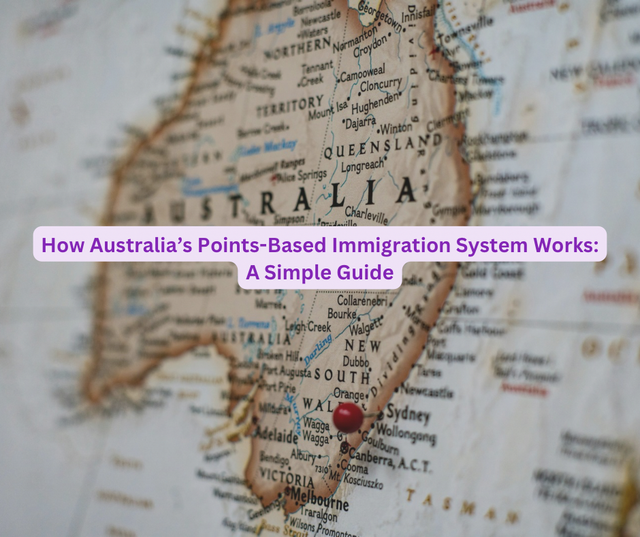
Applicants are typically evaluated using a points-based immigration system that considers factors such as age, education, work experience, and English proficiency.
Professionals in industries like engineering, IT, healthcare, and finance often benefit from these programs.
2. Employer-Sponsored Permanent Residency
Another pathway involves employer sponsorship. Under this route, an Australian employer nominates a skilled worker for a permanent position.
One of the most common visas in this category is the Employer Nomination Scheme (Subclass 186). This visa allows skilled workers to obtain permanent residency through employer sponsorship and offers benefits such as the ability to live and work anywhere in Australia and access the country’s public healthcare system.
This pathway is particularly popular for professionals already working in Australia on temporary work visas.
3. Business and Investment Immigration
Entrepreneurs and investors can also qualify for Australian permanent residency through business migration programs.
Applicants typically begin with a temporary business or investment visa and later transition to permanent residency once their investment or business activity meets required conditions.
This pathway is commonly used by individuals interested in starting companies, investing in Australian businesses, or expanding international operations.
4. Family Sponsorship Programs
Family migration visas allow Australian citizens or permanent residents to sponsor close relatives. This pathway is commonly used for spouses, partners, and dependent children.
Family migration helps reunite families and provides a direct route to permanent residency for eligible applicants.
Basic Requirements for Australia PR
While requirements differ depending on the visa category, most permanent residency applications require applicants to meet several general criteria:
- Valid passport and identity documentation
- Proof of education and professional qualifications
- English language proficiency (IELTS, PTE, or equivalent)
- A positive skills assessment from a recognized authority
- Police clearance and character verification
- Medical examinations and health clearance
- Evidence of financial stability or employment prospects
For skilled migration visas, applicants must usually be under the age of 45 and score at least 65 points on the immigration points system.
Higher points significantly increase the chances of receiving an invitation to apply.
Step-by-Step Australia PR Application Process
Although the immigration process can appear complex, it generally follows a structured series of steps.
1. Check Eligibility
Applicants must confirm that their occupation, qualifications, and experience meet the requirements of the chosen visa pathway.
2. Complete a Skills Assessment
Professional qualifications and work experience are evaluated by a relevant Australian assessing authority.
3. Take an English Language Test
Applicants must demonstrate English proficiency through approved exams such as IELTS or PTE.
4. Submit an Expression of Interest (EOI)
Applicants submit their profile through the government’s SkillSelect system, where they are ranked based on their points score.
5. Receive an Invitation to Apply
If the candidate’s score meets the required threshold, they may receive an invitation to apply for a permanent visa.
6. Submit the PR Visa Application
Applicants submit all supporting documents, pay the visa fee, and undergo health and character checks before the final decision is made.
Benefits of Australian Permanent Residency
Obtaining permanent residency offers several long-term advantages, including:
- The ability to live and work anywhere in Australia
- Access to Australia’s public healthcare system (Medicare)
- Eligibility to sponsor family members for visas
- Access to education and training opportunities
- Pathway to Australian citizenship
Permanent residency also improves access to financial services, housing programs, and professional employment opportunities.
Why Many Immigrants Choose Australia
Australia consistently ranks among the top destinations for global migration due to its economic stability, high living standards, and strong worker protections. Skilled migrants and investors often view Australia as an ideal place to build long-term careers and secure a better future for their families.
In addition to employment opportunities, Australia offers a multicultural society, modern infrastructure, and globally recognized universities.
Final Thoughts
Securing permanent residency in Australia can be a life-changing opportunity for professionals, entrepreneurs, and families seeking long-term stability and global mobility.
By understanding the available visa programs, meeting eligibility requirements, and carefully preparing your application, you can significantly improve your chances of obtaining Australian PR status.
Whether you plan to migrate for career growth, education, or business expansion, Australia’s immigration system provides several structured pathways that make long-term settlement possible.